
New Build Snagging: Architect or Surveyor?
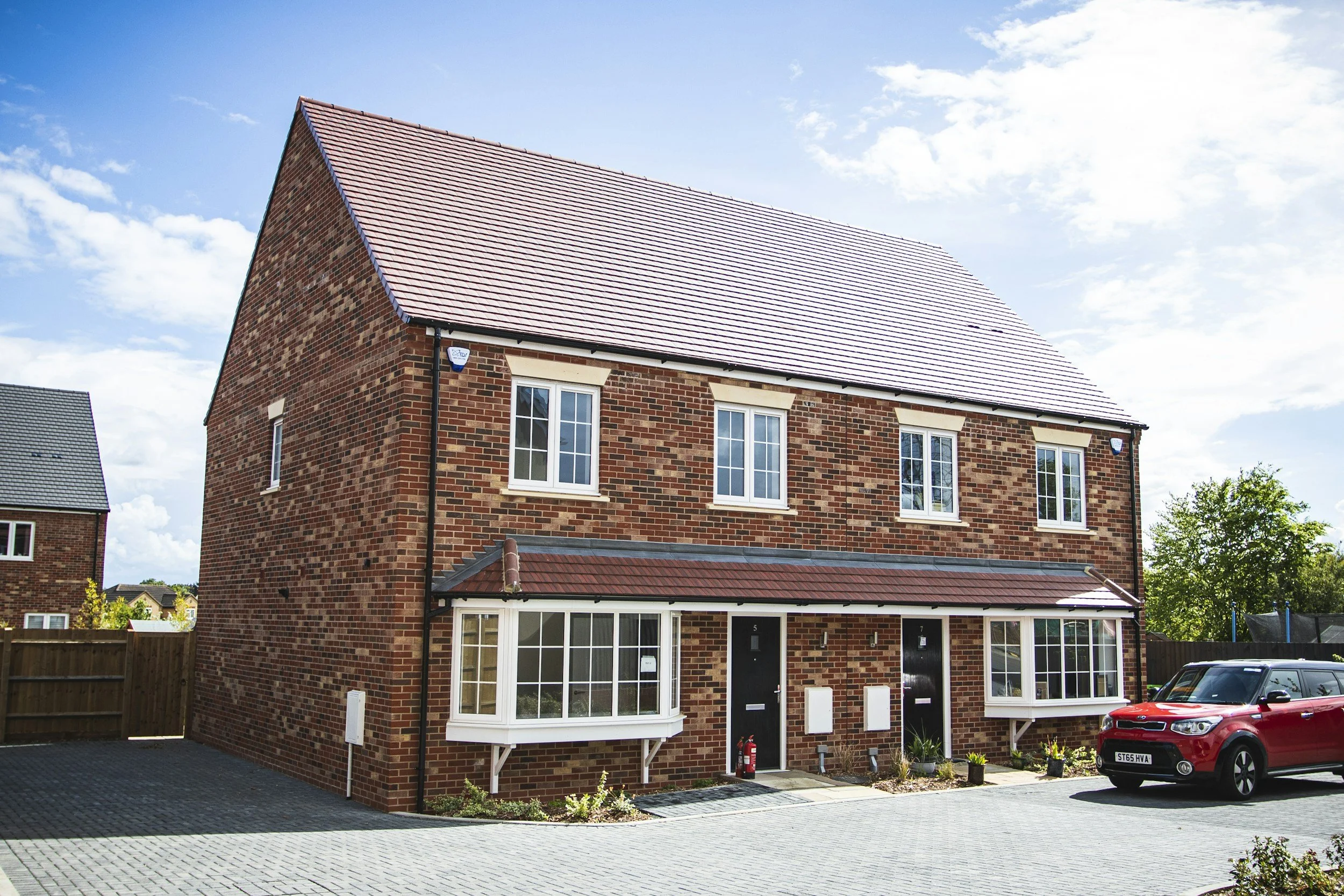
Why It Was Always the Architect's Job
There's no legal requirement to use a RICS-qualified surveyor for a new-build snagging inspection — no reserved title, no statutory gatekeeper. Snagging has traditionally sat with the professional who already knows the building intimately: the architect who designed it, understood its regulations, and specified how it should actually be built. Here's why that matters, and what it means for how you choose who checks your new home before you sign it off.
What Snagging Actually Is — and Isn't
A snagging inspection is a systematic check of a completed project against its design, specification and the relevant Building Regulations, carried out shortly before or shortly after legal completion, to identify defects and unfinished work while the builder is still obliged to put them right. It's worth distinguishing this clearly from a pre-purchase survey of a property — the RICS Home Survey Standard (Levels 1–3) that most people have heard of — which is a different, well-established product designed to assess the condition of an existing building. Snagging is a newer, build-specific exercise: checking workmanship and compliance against a very recent, very knowable set of drawings and standards, rather than assessing the unknown condition of an older structure.
Why Snagging Has Become Such a Hot Topic
This isn't a niche concern. Industry survey data from 2025 found that 93.7% of new-build buyers reported problems to their builder after moving in, with more than a quarter reporting over 15 significant snags — and other data puts the average snag count on a new-build property above 150. Consumer research has separately flagged new-build housing quality as one of the fastest-rising complaints in the sector.
Central government has responded… slowly. The Building Safety Act 2022 put the New Homes Ombudsman Service on a statutory footing and mandated a minimum 15-year warranty on new homes under the Defective Premises Act 1972 — up sharply from the historical norm and separate from the 10-year NHBC Buildmark Warranty. The New Homes Quality Code, administered by the New Homes Quality Board, now sets standards that registered developers commit to, with a two-year post-completion protection window and an escalation route to the ombudsman if a developer won't resolve a genuine defect. All of that is a welcome tightening of the net around builders. It says comparatively little, though, about who should be checking the building on the buyer's behalf in the first place — which is where the confusion, and the marketing, tends to creep in.
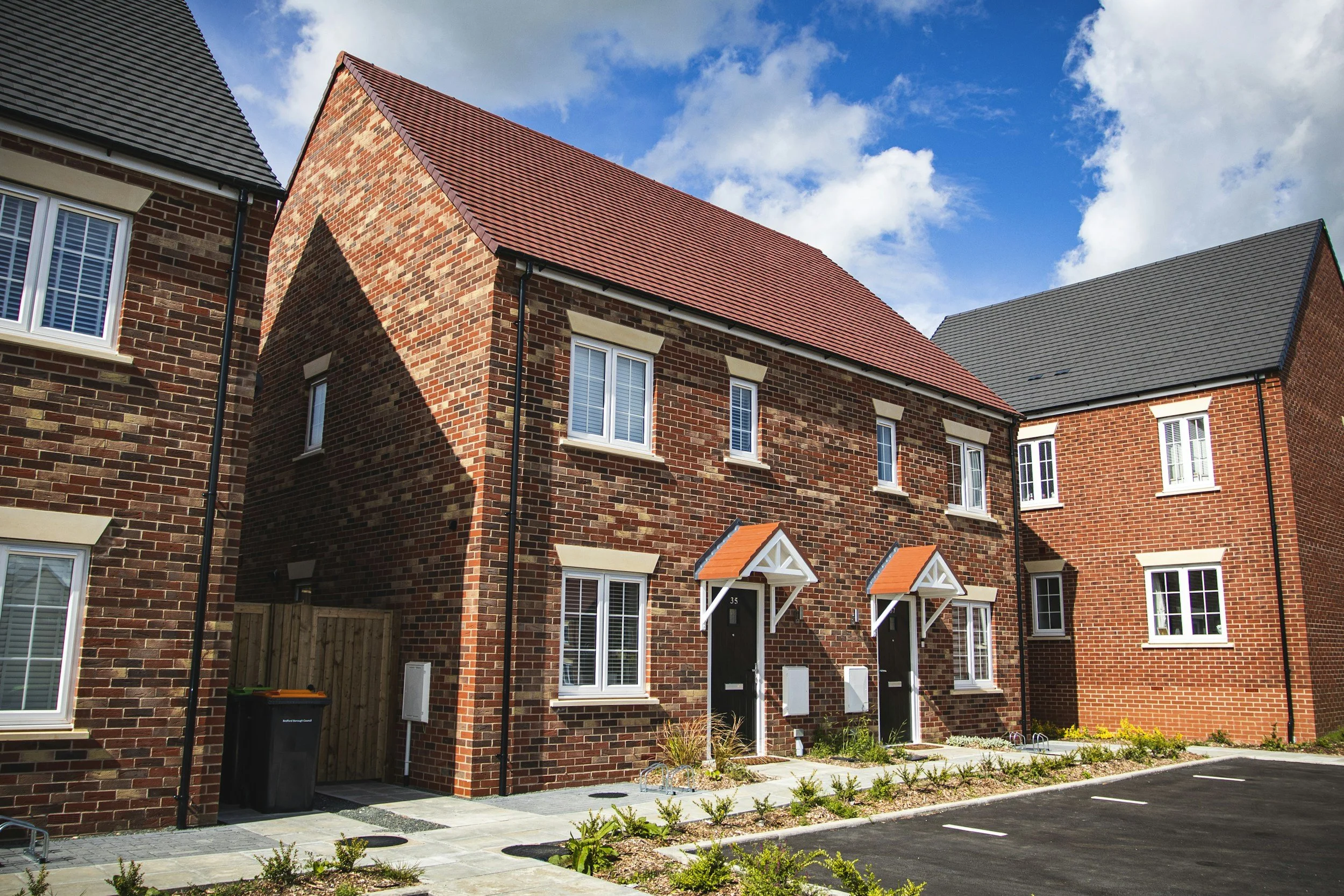
Who Is Actually Allowed to Carry Out a Snagging Inspection?
Here's the detail that gets lost in a lot of snagging-company marketing: RICS's own Home Survey Standard — the framework that most "RICS-certified" claims are implicitly leaning on — is built around pre-purchase condition surveys of existing homes. New-build snagging specifically is treated as an emerging area, being considered for future guidance rather than sitting inside the current, mandatory standard. In other words, the credential most heavily marketed at new-build buyers isn't, strictly, a credential for the exact job being sold.
That's not a criticism of RICS or of chartered surveyors, who do valuable, genuinely regulated work elsewhere. It's simply a fact worth knowing: there is no law, and no professional body with exclusive jurisdiction, that says only a RICS-qualified surveyor may inspect a new-build home for defects. The majority of respected snagging teams are a mix of site managers, building surveyors, architects and ex-developers — which rather makes the point that this has never been a single-profession activity.
Why It’s Traditionally the Architect's Job
Before "snagging company" became an industry of its own, checking a newly built home against its design was simply part of what an architect did — because an architect retained through construction is already doing something adjacent to it. The later RIBA stages already include site inspections, and practical completion itself, is formally, the point at which the building is confirmed substantially finished and fit for handover - with any defects identified and reported.
More importantly, the architect who designed a house — or an architecture practice reviewing it with that same design literacy — brings something a generalist inspection can't fully replicate: direct knowledge of what the building was actually meant to be. Not a generic checklist of common new-build faults, but a specific comparison against the approved drawings, the agreed specification, and the Building Regulations that governed the design from day one. A surveyor arriving cold, can tell you a window reveal looks wrong. An architect can tell you it's wrong and knows exactly which regulation and which specification clause that failure sits against.
To Be Fair to Surveyors
None of this is an argument that surveyors don't have a valuable role — they clearly do, and a good one is worth paying for. For a pre-purchase condition survey of an existing property, an RICS surveyor is unambiguously the right call, which is precisely what the RICS Home Survey Standard was built for, and an area where their training and independence genuinely matter. Independence is also a fair consideration in its own right: some buyers specifically want someone with no connection at all to the design or construction team, and that's a reasonable preference to have. The point isn't that a surveyor is the wrong choice for post completion snagging. It's that, for a new build specifically, they aren't the only choice — and paying a premium for one on the assumption that it's compulsory isn't necessary.
What to Expect From an Architect-Led Snagging Inspection
We've recently begun offering this as a dedicated service, precisely because of the gap outlined above. In practice, it means a full room-by-room, element-by-element inspection of the finished building, against its approved drawings and specification, not a generic industry checklist; but a written report that identifies each defect, references the relevant Building Regulation or NHBC standard where applicable, and is prioritised by severity and urgency; and — because the same practice understands both the design intent and the regulatory framework — the ability to challenge a developer's response in the same technical language they use themselves, rather than a layperson's list of complaints. It's the same rigour we'd apply reviewing our own work at practical completion, now offered as a service in its own right for home-buyers.
Frequently Asked Questions
Do I legally need a RICS surveyor to snag my new-build home?
No. There's no legal requirement or reserved title governing who can carry out a new-build snagging inspection. RICS's own Home Survey Standard is built primarily around pre-purchase surveys of existing homes, with new-build snagging currently treated as an emerging area rather than part of the core mandatory standard.
What's the difference between a snagging inspection and a RICS home survey?
A RICS home survey (Levels 1–3) assesses the condition of an existing property, typically before purchase. A snagging inspection checks a recently completed new-build home against its own design, specification and Building Regulations, to catch defects while the developer is still obliged to fix them.
Why would an architectural practice be better placed to snag a new build than a surveyor?
An architectural practice — particularly the one who designed the home, or a practice reviewing it with the same expertise — can compare what's been built directly against the approved drawings and specification, and knows exactly which Building Regulations and design decisions each defect relates to, rather than working from a generic checklist of commonly seen new-build faults.
How many snags does the average new-build home have?
Industry survey data suggests new-build properties commonly have over 150 individual snags, and separate 2025 research found 93.7% of new-build buyers reported problems to their builder after moving in.
Is snagging still worth doing if my new home comes with a warranty?
Yes. A warranty, now a minimum of 15 years under the Defective Premises Act 1972 (extended by the Building Safety Act 2022 and separate to the NHBC Buildmark Warranty) covers you over time, but a snagging inspection close to completion catches issues while the developer is most motivated — and often contractually obliged — to fix them quickly, rather than leaving them to a slower warranty claims process later.
If you've recently completed on a new build — or are approaching completion and want a design-literate opinion before you sign off — Get in touch to talk about our snagging inspection service.