
What New-Build Snagging Data Really Shows in 2026
The most recent UK-wide survey of new-build buyers found that 93% would recommend their builder to a friend, and that 90% were satisfied with the quality of their finished home — the sixth year running that figure has stayed above 90%. The same broad dataset also finds that 93.7% of buyers report at least one snag or defect after moving in, and just over a quarter report more than fifteen. Both statistics are real, both come from reputable sources, and neither cancels the other out. Understanding why they sit together comfortably is the most useful thing a prospective new-build buyer can know before completion.
We work on both sides of this question — designing new homes, and increasingly inspecting other people's on our clients' behalf before they complete — so we wanted to write the version of this that deals in the actual current data, not the more dramatic anecdote that usually travels further.
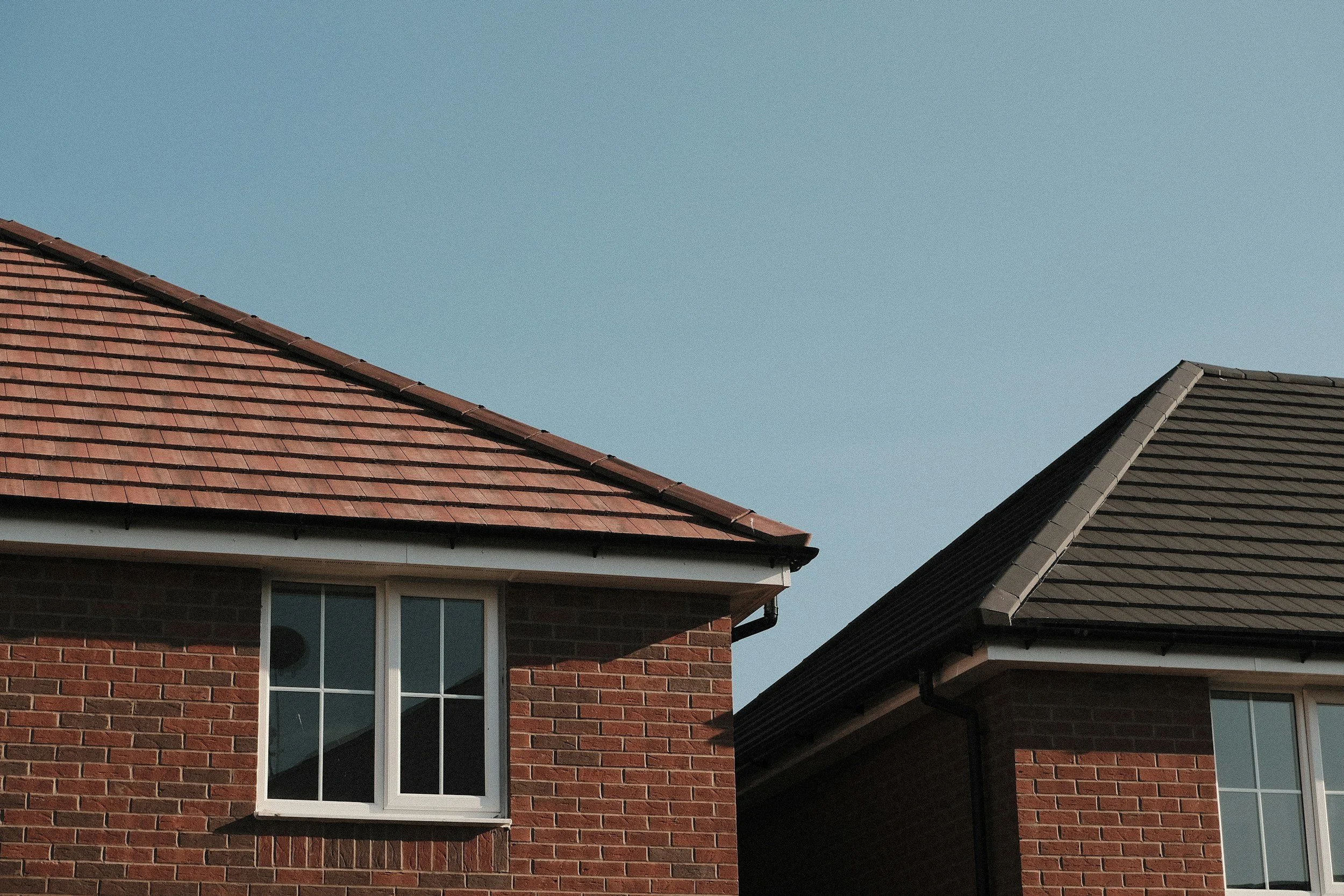
What does the official satisfaction survey actually say?
The National New Homes Customer Satisfaction Survey, run jointly by the Home Builders Federation and NHBC and independently validated by Ipsos, is the largest and longest-running measure of its kind in the UK, surveying tens of thousands of recent buyers each year. Its most recent results, published in March 2026, show 93% would recommend their builder and 90% are satisfied with build quality — genuinely high, genuinely improving figures, and not ones to dismiss. Buyer satisfaction with the sales and after-move-in service sits close behind, in the high 80s. On this measure, most people who buy a new-build home in Britain today have a good experience.
So why does "93% satisfied" sit next to "93.7% found a snag"?
Because they're measuring different things. Overall satisfaction is a rounded judgement about the whole experience — the home, the process, the people, weighed together. Snagging prevalence is a much narrower, more literal count: did you find anything wrong, of any size, at any point. It's entirely possible, and apparently very common, to be genuinely satisfied with a new home that also has a page of minor snags — a sticking door, a scuff in the paintwork, a gap in some trim — because those things get fixed under warranty and don't define the overall experience. What the same data also shows, though, is that a meaningful minority don't have that experience: just over a quarter of buyers report more than fifteen snags, and the UK's competition regulator concluded, in a formal 2024 market study, that defect prevalence and how effectively it gets resolved remain genuine, unresolved consumer problems for a real number of buyers, not a fringe complaint.
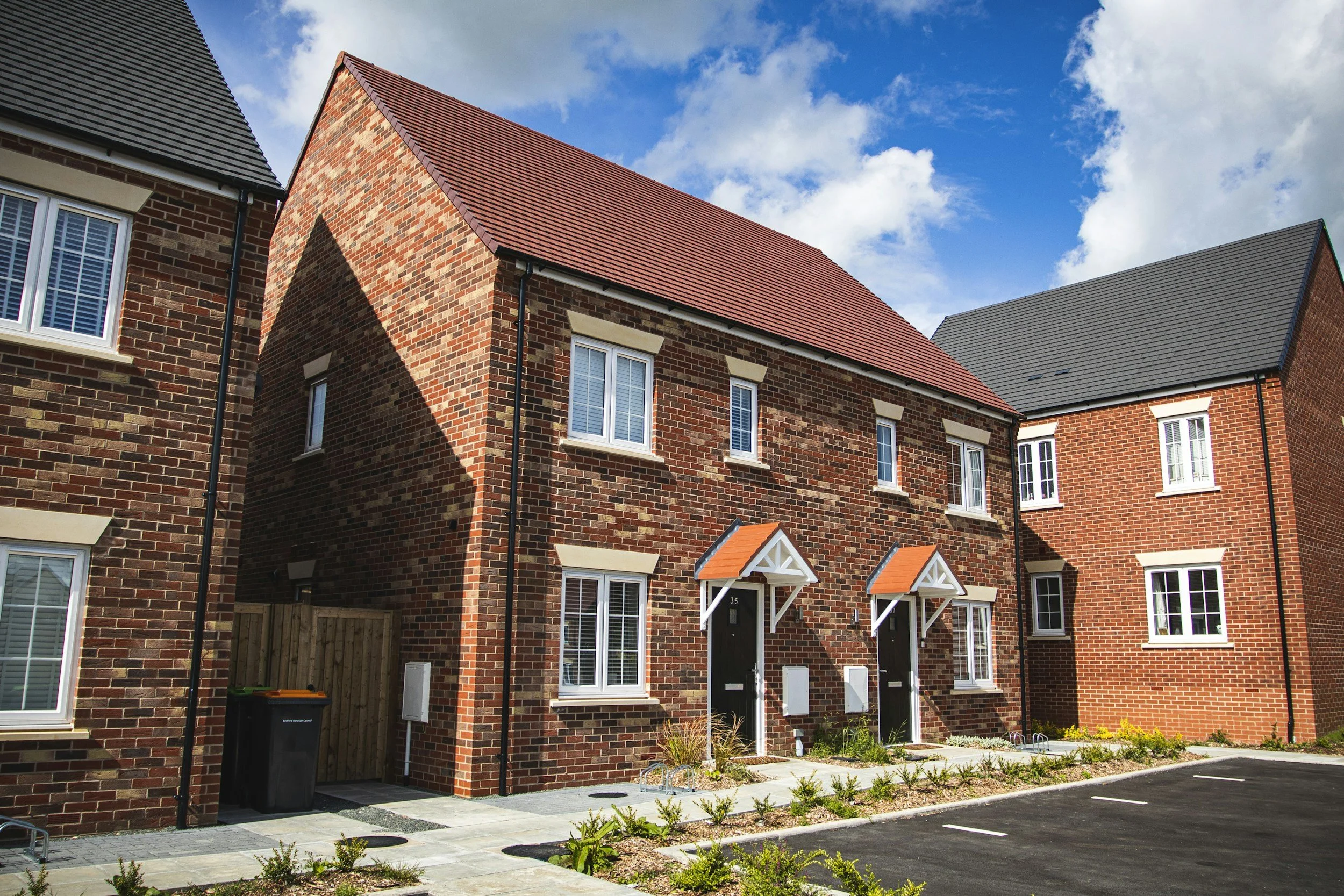
Which parts of a new build are most likely to have defects?
Warranty claims data from 2023 gives a useful, concrete breakdown. External walls account for roughly a third of claims, the single largest category, followed by roofs at around 15%, and internal walls at around 10%. Windows and doors, upper floors and ground floors each account for smaller but still notable shares. It's a pattern that tracks with where construction genuinely is hardest to get right first time — junctions, weathering details and the building's outer skin — rather than a random scatter, and it's a useful, specific checklist for exactly where an inspection before completion should look hardest.
Is new-build quality getting better or worse?
Genuinely contested, and we'd rather say so plainly than pretend the data gives a tidy answer. By the industry's own headline satisfaction measure, things have improved for several years running. By reported snagging prevalence, the picture looks flatter — near-universal snagging has been a consistent finding across independent surveys spanning roughly a decade, not something that's clearly declining. There's also a genuinely fair, less dramatic explanation worth taking seriously: rising snag reports may partly reflect far better detection and reporting than a decade ago, driven by a stronger New Homes Ombudsman Service and industry code introduced in 2022, rather than a real decline in how well homes are being built. Both a real quality problem and a real improvement in how well problems get caught can be true in the same dataset, and the honest position is that current UK data can't fully separate the two.
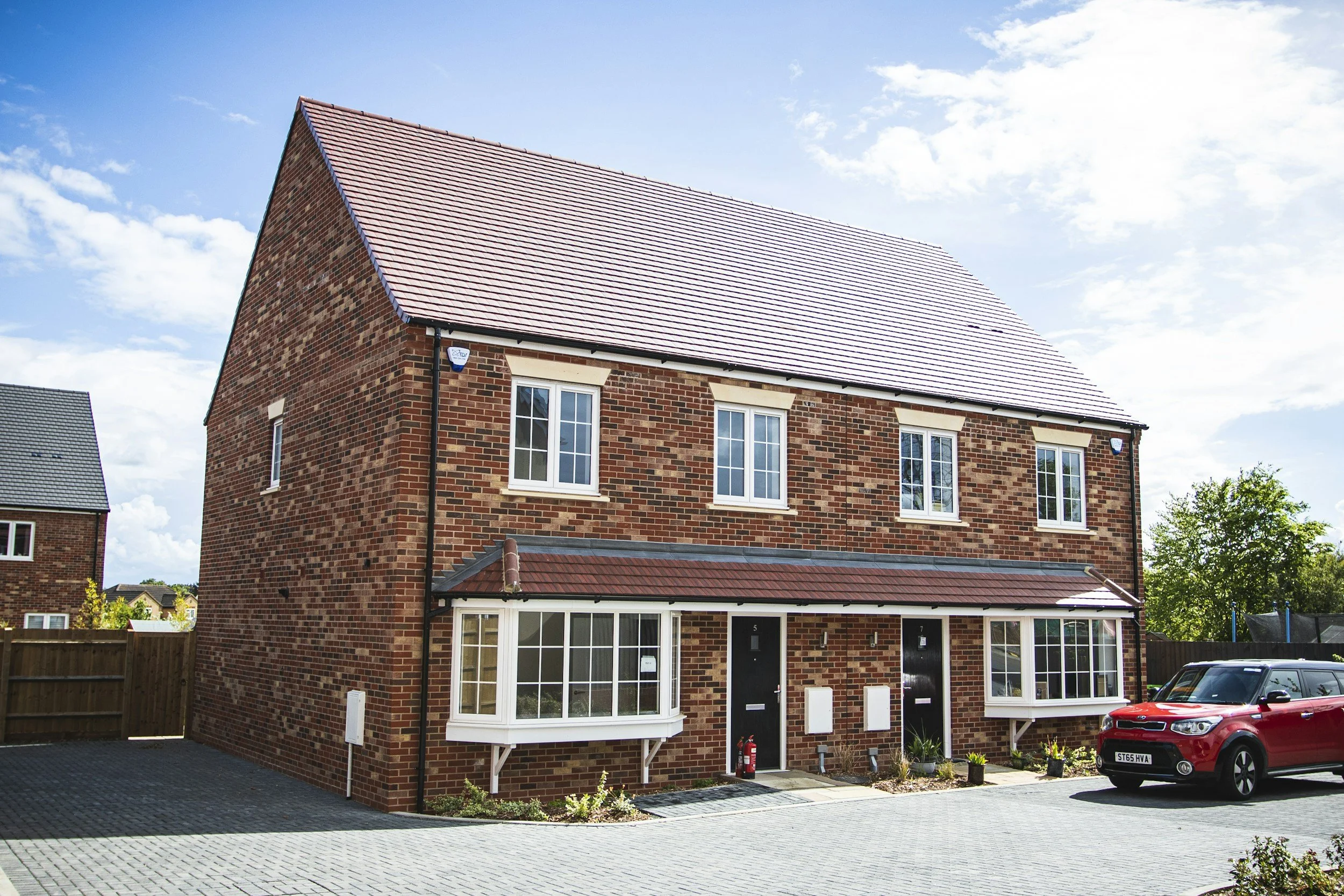
Does this match how people actually feel about new-build homes?
Only partly, and the gap is worth knowing about. A UK-wide survey of the general public found 55% believe older homes are better built than new ones, against just 21% who think the opposite; roughly a third describe new-build housing generally as poor quality, and a similar share say they have low trust in housebuilders as a group. That's a noticeably more negative view than the satisfaction figures from people who've actually bought a new-build home in the past year or two. Some of that gap is ordinary perception lag — a few very public, very serious cases of new-build failure travel far further than the far larger number of unremarkable, satisfactory completions. Some of it may also reflect a real difference between how a home performs at the point of sale, when the satisfaction survey is taken, and how it performs five or ten years on, which isn't something the annual survey can measure yet. Both readings are worth holding at once rather than picking whichever suits the point you want to make.
What can you actually do about it?
Treat a snagging inspection as a normal, expected part of buying or completing a new-build home, not a sign of distrust in a specific builder. Given where defects concentrate — external walls, roofs, the building's outer junctions — a thorough inspection needs to look well beyond the obvious cosmetic finishes a buyer would naturally notice on a first walk-through, and benefits from being carried out by someone trained to read a building's construction, not just its finish. It's also worth knowing that new-build warranty and complaints processes have genuinely strengthened in the past few years: the New Homes Quality Board's code and Ombudsman Service now cover more than half of new homes built across England, Scotland and Wales, with independent satisfaction data now published builder by builder, which gives a prospective buyer real, comparable information before they commit, not just after. Used together — the published data on a specific builder, and a proper independent inspection on the specific home — a buyer today has more genuine visibility into new-build quality than at almost any point before now, even if the underlying rate of minor snagging hasn't obviously fallen.
Frequently asked questions
Should finding several snags put me off completing on a new-build home?
Not necessarily. A reasonable list of minor, fixable snags is normal even for a well-built home, on the evidence above. What matters more is whether they're the kind of issue this data flags as concerning — anything structural, related to weathertightness, or affecting the building's outer envelope — and whether your builder has a clear, working process for fixing them.
Is an independent snagging inspection worth it if the builder already offers a warranty?
Generally yes. A warranty resolves problems after they're found; an independent inspection, ideally before legal completion, is what finds them in the first place and gives you leverage to have them fixed before you've committed. The two serve different purposes rather than duplicating each other.
Do all new-build homes come with the same level of warranty and complaints protection?
No. Coverage under the New Homes Quality Code and Ombudsman Service has grown quickly but doesn't yet cover every builder, so it's worth checking specifically which scheme applies to a given development before you buy.
Are certain types of defect more serious than others?
Yes — the data on this is fairly consistent. A large majority of logged defects are minor and cosmetic, but a smaller share relate to genuine building performance (moisture, ventilation, structural elements) and a smaller share still are health-and-safety issues. All are worth recording, but they don't all warrant the same urgency.
Does a new-build home from a well-known national housebuilder mean fewer snags than a smaller builder?
The published data doesn't clearly support that assumption either way — satisfaction and defect data vary by individual development and build team more than by company size, which is exactly why builder-by-builder published results are more useful than a general reputation.