
The Autumn Budget, due on 28 October 2026, settles one part of the extend-or-move question and leaves another genuinely open. Stamp duty is confirmed to stay exactly as it is, so the cost of moving house is no longer a moving target. The so-called "mansion tax" threshold, by contrast, remains unsettled — there is live speculation that it could be lowered, but nothing has been decided. Neither point should decide whether you extend or move. Both are worth understanding before either one pushes you the wrong way.
A quick note before we go further…
This article discusses tax and fiscal policy ahead of a Budget that has not yet happened, some of it confirmed and some still speculation. It's written for general interest, not as financial or tax advice — every property, household and set of circumstances differs, so please speak to a qualified, independent financial or tax adviser before making decisions based on anything below.
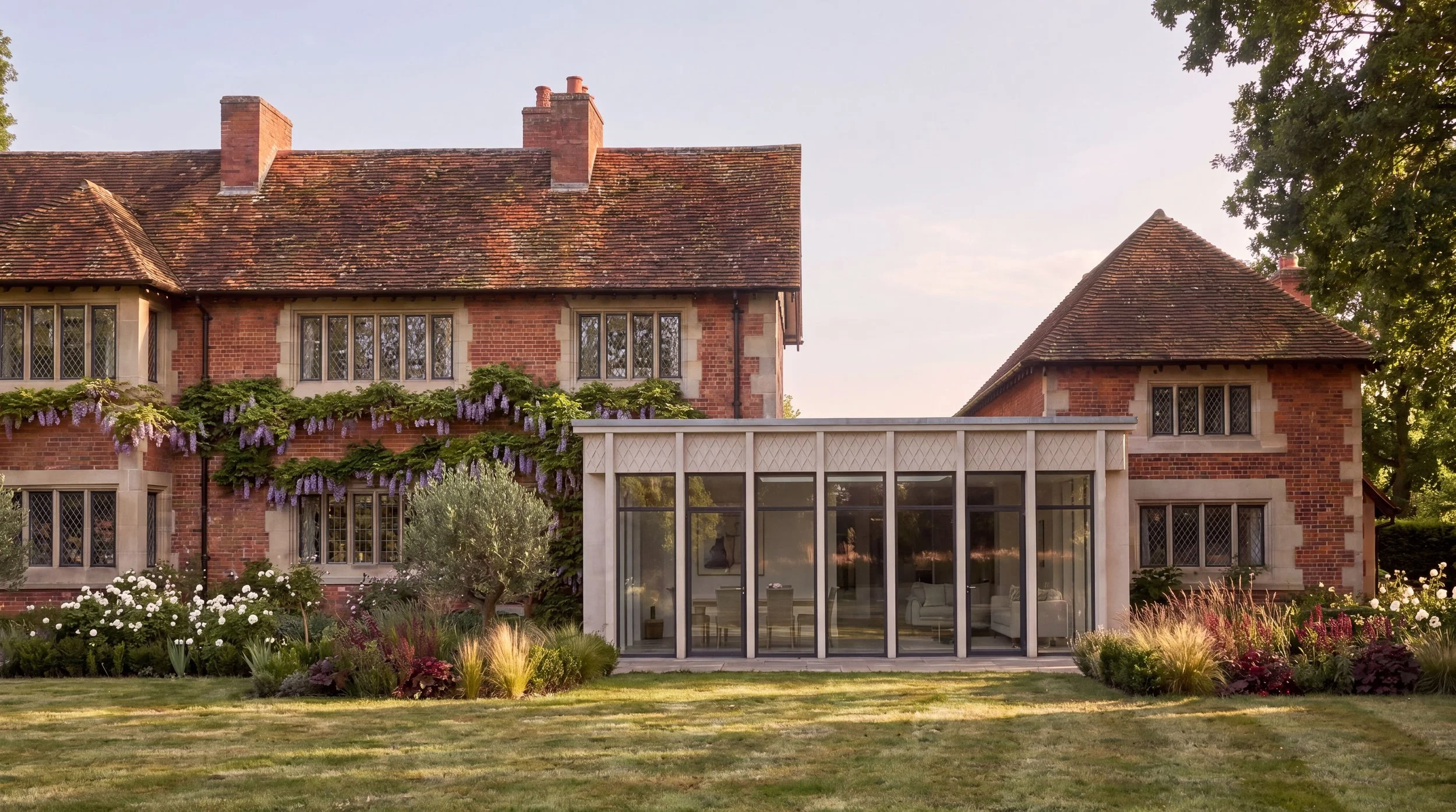
Why Does a Budget Even Factor Into an Extend-or-Move Decision?
Few families decide to extend or move because of fiscal policy. They decide because the kitchen has become too small for the way they actually live, because a teenager needs a floor of their own, or because a house that once fitted now quietly doesn't. But the timing of that decision, and its cost, sits inside a wider economic weather system — and Budget season reliably stirs up noise about what is about to change.
That noise has a habit of pushing people towards decisions made in anticipation of policy, rather than their actual home and life. A rumoured tax change becomes a reason to sell sooner than planned, or a reason to shelve a project that was otherwise right. This Budget is a useful moment to separate what has genuinely changed from what is still just speculation — so the decision in front of you can be made on its own terms.
Is Stamp Duty Changing in the Autumn Budget?
No. This is confirmed, not speculation. Prime Minister Andy Burnham addressed the question directly over the summer, stating plainly: "Yes, I can say that quite clearly. That won't be happening" — ruling out any reform of Stamp Duty Land Tax, including proposals to replace it with a land value tax or a national property tax, for this Budget ([AJ Bell](https://www.ajbell.co.uk/news/articles/uk-pm-burnham-rules-out-axing-stamp-duty-saying-not-happening); [Bloomberg Tax](https://news.bloombergtax.com/daily-tax-report-international/andy-burnham-rules-out-changes-to-uk-stamp-duty-in-budget)).
For the extend-or-move decision, that stability matters more than it might first appear. One of the quieter reasons people rush a sale, or delay a renovation they'd already committed to, is a fear that the cost of moving is about to shift under them. With stamp duty confirmed as-is, that pressure is off the table. The real cost of moving — stamp duty, agents' fees, legal fees, the time and stress of finding somewhere that actually works, and the near-certainty of its own list of compromises — can now be weighed against the cost of transforming the home you already have.
What Is the "Mansion Tax" — and Could the Threshold Really Fall to £1.5 Million?
The High-Value Council Tax Surcharge, widely nicknamed the "mansion tax," is confirmed policy — not speculation. From April 2028, it will apply an annual surcharge to homes valued at £2 million or more, based on valuations set in 2026: £2,500 a year on homes between £2 million and £2.5 million, rising through £3,500 and £5,000 at the intermediate bands, up to £7,500 a year on homes above £5 million ([Which?](https://www.which.co.uk/news/article/mansion-tax-everything-we-know-so-far-about-the-new-charge-auRlg7b6SXjh)). It's expected to affect somewhere in the region of 165,000 homes across England, concentrated overwhelmingly in London and the South East.
What's genuinely still speculation is whether that £2 million threshold might fall. The Times reported in September that a lower threshold of £1.5 million is "a live discussion" inside the Treasury ahead of this Budget — but the Treasury's own line is that tax decisions are announced at fiscal events, not through comment on speculation — and no decision has been taken ([HomeOwners Alliance](https://hoa.org.uk/news/new-property-tax/); [MoneyWeek](https://moneyweek.com/investments/property/could-you-be-dragged-into-paying-mansion-tax-as-burnham-moots-lower-threshold)). It may happen. It may not. Either way, it isn't something to act on yet — only something to watch.
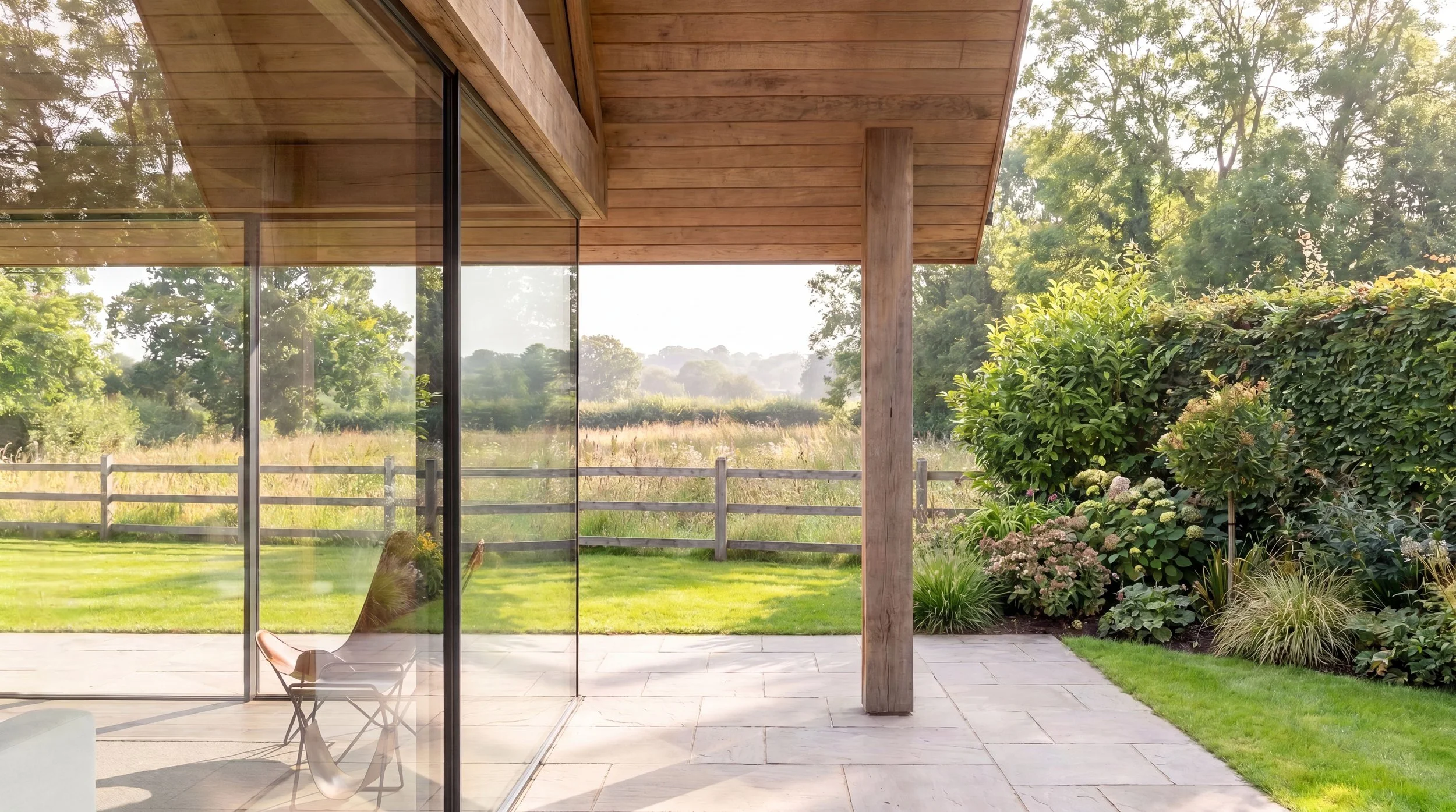
Could a Major Extension Push Your Home Into a Higher Band?
This is the question that actually matters if you're planning a significant extension on a home already near the threshold — and the honest answer is: not immediately. Reporting on the surcharge's design indicates that a property substantially improved after the system starts is expected to be revalued and rebanded at the sooner of the next scheduled nationwide revaluation (currently due in 2033) or the sale of the property, not the moment the building work finishes ([Which?](https://www.which.co.uk/news/article/mansion-tax-everything-we-know-so-far-about-the-new-charge-auRlg7b6SXjh)).
In practice, a well-designed extension completed now shouldn't trigger an overnight tax bill. But if your home already sits close to either threshold, it's sensible to treat valuation banding as one factor among several when scoping a project — not because it should drive the design, but because a design-led architectural practice worth commissioning ought to be helping you see the whole picture, long-term consequences included.
Does Extending Your Home Create a Capital Gains Tax Bill When You Sell?
For most homeowners improving the house they actually live in, no. There has also been talk of capital gains tax changes in this Budget, aimed at landlords and second-home owners — though even that remains vague, with no detailed proposal confirmed at the time of writing. It's a genuinely separate conversation from the one that matters if you're extending your own main home.
Private Residence Relief generally shelters your only or main home from capital gains tax entirely, for as long as it remains your only or main home throughout your ownership of it — and that includes any value added by an extension or renovation ([gov.uk / HMRC HS283](https://www.gov.uk/government/publications/private-residence-relief-hs283-self-assessment-helpsheet/hs283-private-residence-relief-2026)). There are exceptions worth checking with an adviser — letting out part of the property, working from home at scale, or owning more than one residence can complicate the picture — but the extension itself, on the home you live in and intend to keep living in, is not what creates a tax bill.
So What Does the Budget Actually Change About Your Decision?
Taken together, very little of this should move the needle on its own. What it does is clear away some of the noise that tends to crowd out the real question. Stamp duty's stability removes one reason to rush a move you weren't otherwise ready to make. The mansion-tax threshold's uncertainty is a reason for care and good advice if your home sits near that line — not a reason to panic, and certainly not a reason to abandon a project that otherwise makes sense.
Underneath the policy detail is a more enduring question, one this Budget cycle only briefly distracts from: whether to leave a home and a place you already know, for one you don't yet, or to deepen your relationship with what you have. Moving asks you to pay — in money, in time, in the disruption of uprooting a settled life — for the hope that somewhere else fits better. Extending or remodelling asks something different: that you look properly at what you already have, and commit to transforming it with the same care you'd bring to building something new. Done well, that isn't a compromise. It's a form of stewardship — of a garden that's matured, a neighbourhood you belong to, a structure that usually holds more potential than its current layout suggests.
There's a quieter argument for staying, too, that has nothing to do with tax. A thoughtfully extended home keeps its embodied history intact, and avoids setting off an entire chain of other people's moves and upheaval in the process. Approached properly, transformation is very often the more generous choice — to the building, to the place, and to everyone downstream of your decision.
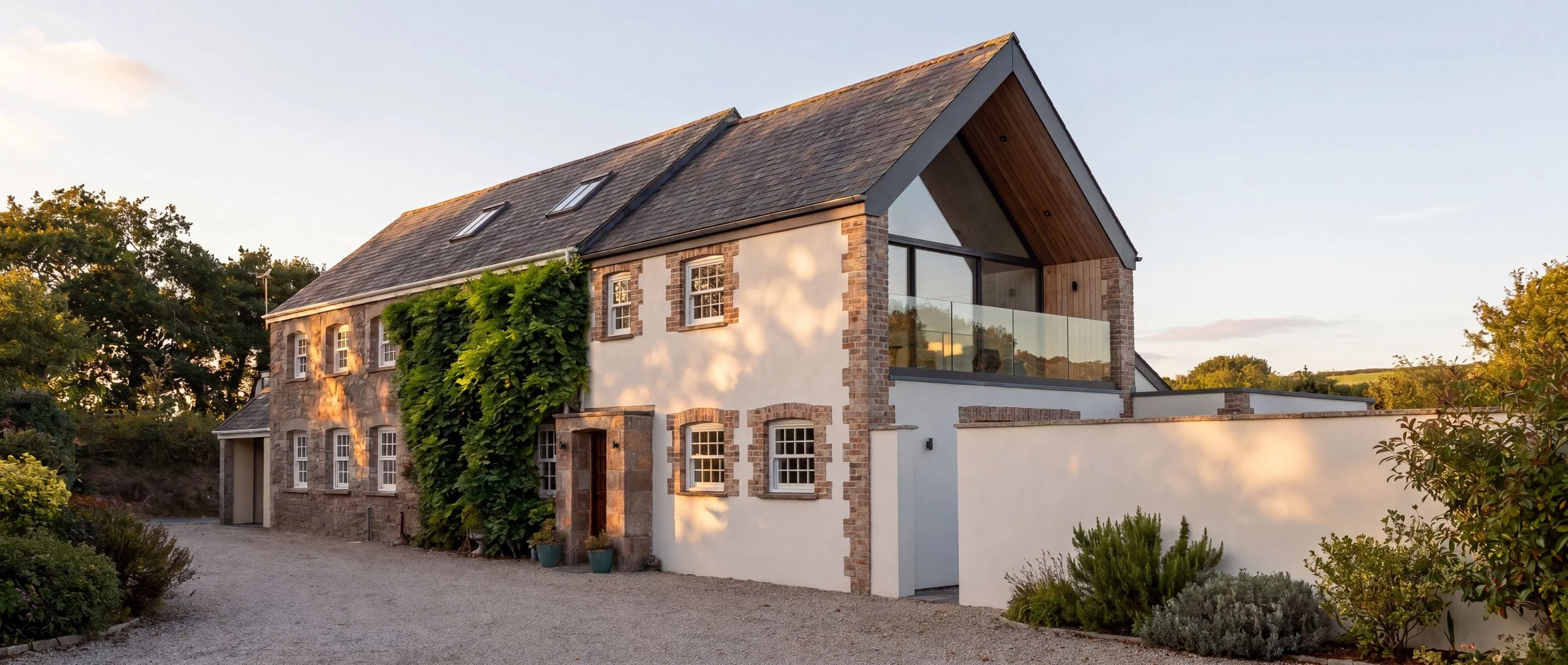
How Should You Weigh Extend vs Move for Your Own Home?
Beyond the policy backdrop, a handful of honest questions tend to matter more than any spreadsheet:
- What do you actually love about where you live now — the garden, the street, the light, the neighbours — that a move would simply forfeit?
- Have you tested your home's real potential, or only the obvious one? A side return, an unused roof void or a severed internal layout can hold more promise than it first appears to.
- What would a genuinely well-designed transformation look like, rather than the version you've assumed is possible, or the version a previous quote talked you out of?
- If you moved, what would you actually be buying — a better house, or simply the hope of one, with its own undiscovered compromises?
These are the questions a good first conversation with a design-led architectural practice should help you answer — not by selling you an extension, but by testing honestly, against your brief and your budget, whether transformation genuinely serves you better than moving would.
Frequently Asked Questions
Is stamp duty really staying the same after the Autumn Budget?
Yes. Prime Minister Andy Burnham has ruled out any stamp duty reform in this Budget, including replacing it with a land value tax or a national property tax. This is confirmed, not speculation.
What exactly is the "mansion tax," and does it apply to me?
It's the High-Value Council Tax Surcharge: a confirmed annual charge from April 2028 on homes valued at £2 million or more, in bands from £2,500 up to £7,500 a year depending on value. It only affects a small proportion of UK homes, concentrated at the very top of the market.
Could the £2 million threshold drop to £1.5 million?
It might, but it hasn't. This is reported as a live discussion within the Treasury ahead of the Budget, not a confirmed decision. Treat any figure below £2 million as speculation until the government says otherwise.
If I extend my home now, will it be reassessed for the mansion tax straight away?
No. Reporting on the surcharge suggests substantially improved properties are rebanded at the next scheduled national revaluation or on sale, not the moment building work completes — so an extension finished well before 2033 shouldn't trigger an immediate change.
Will extending my home create a capital gains tax bill when I eventually sell?
For most homeowners improving the home they live in, no — Private Residence Relief generally shelters your only or main home from capital gains tax throughout your ownership of it, including value added by an extension. This is a different situation from the capital gains tax questions currently being discussed around landlords and second homes. If your circumstances are more complex, take independent tax advice.